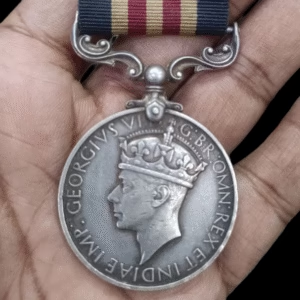
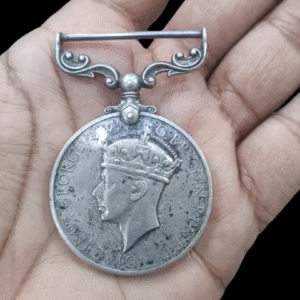
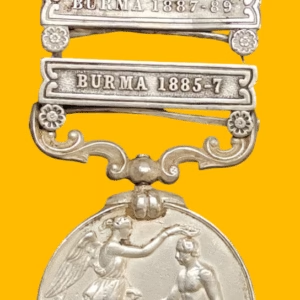
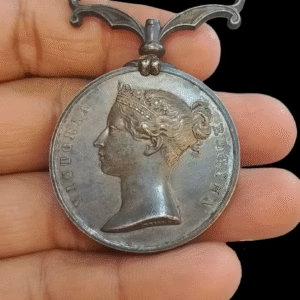
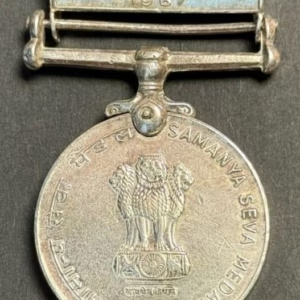
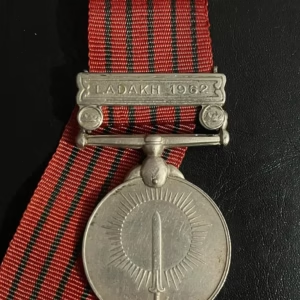
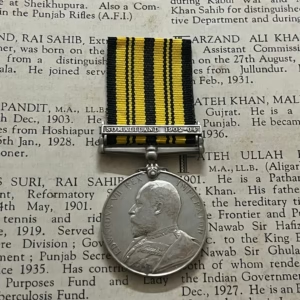
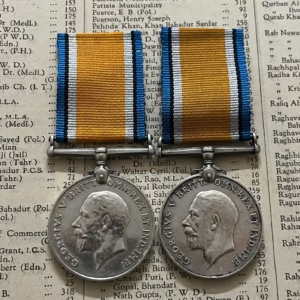
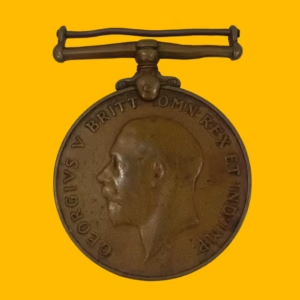
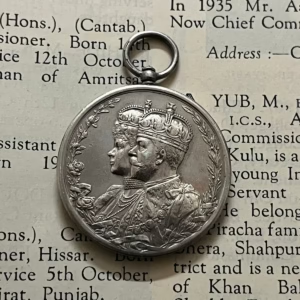

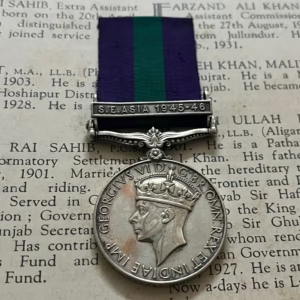
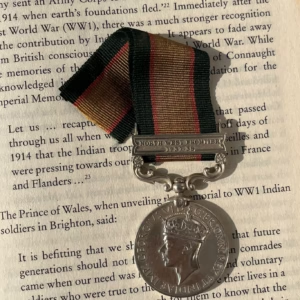
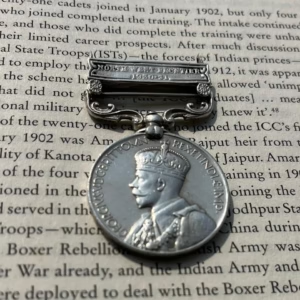
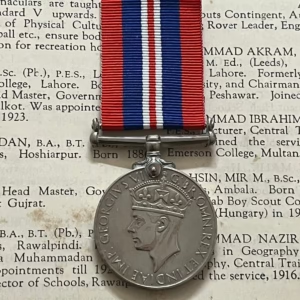
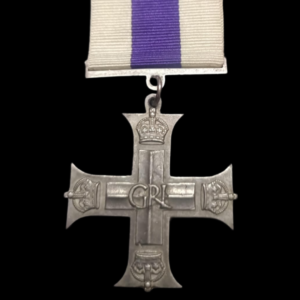
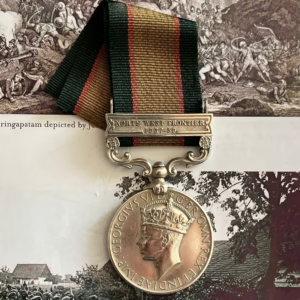
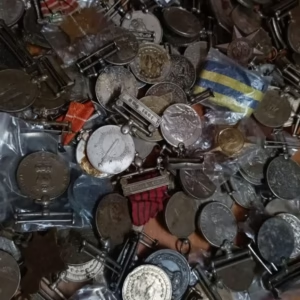
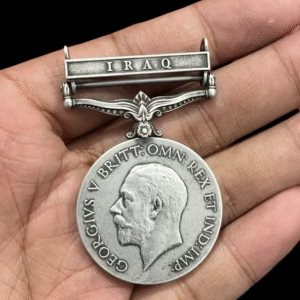
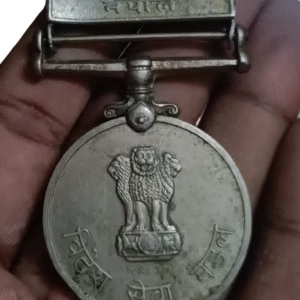
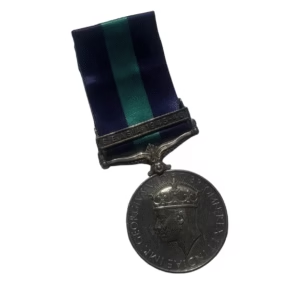
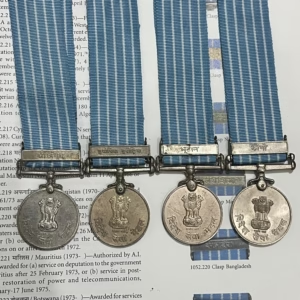
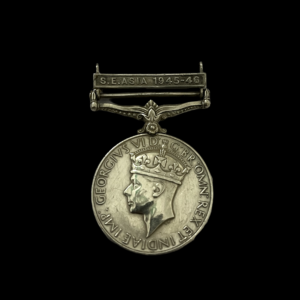

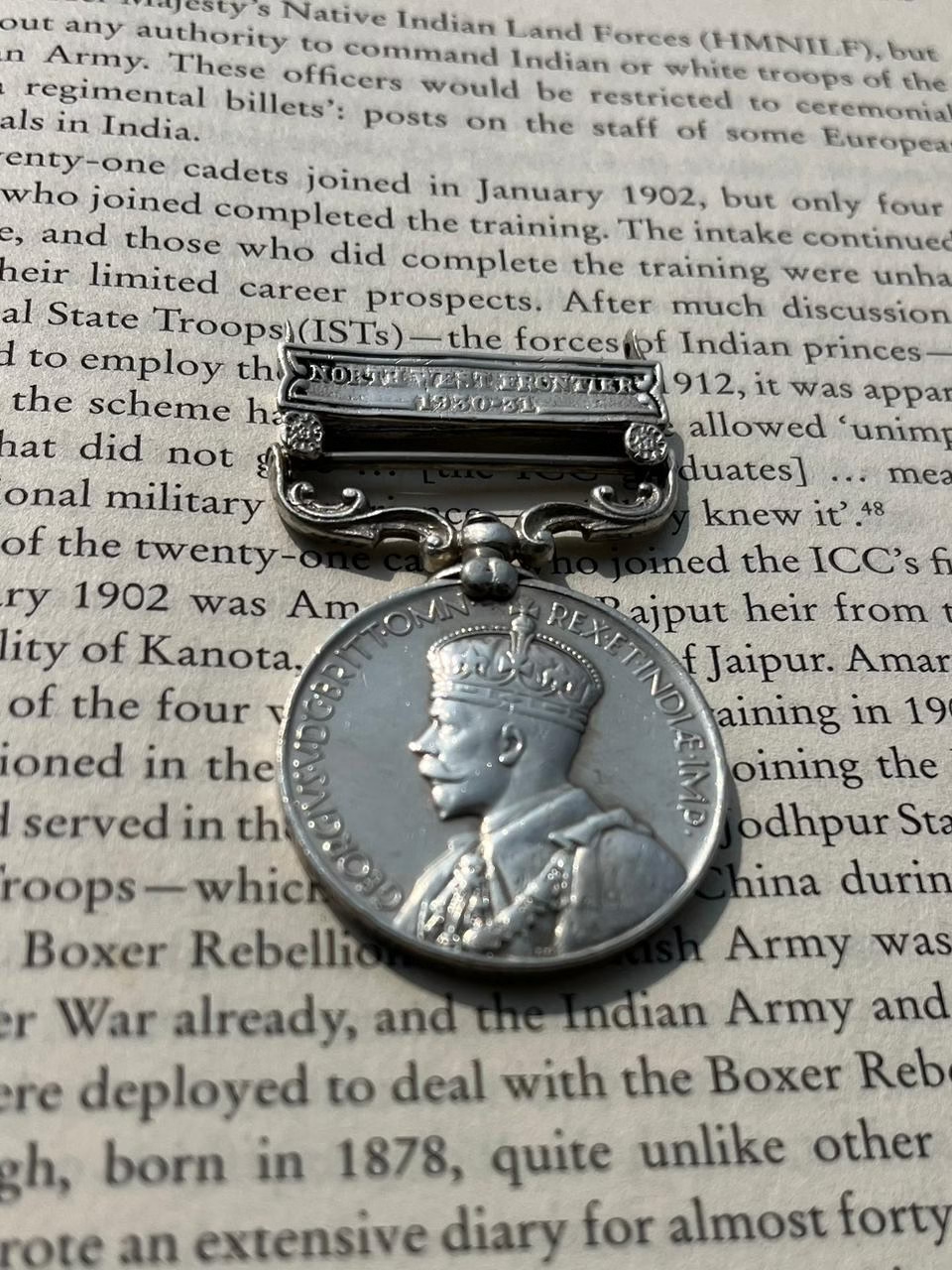
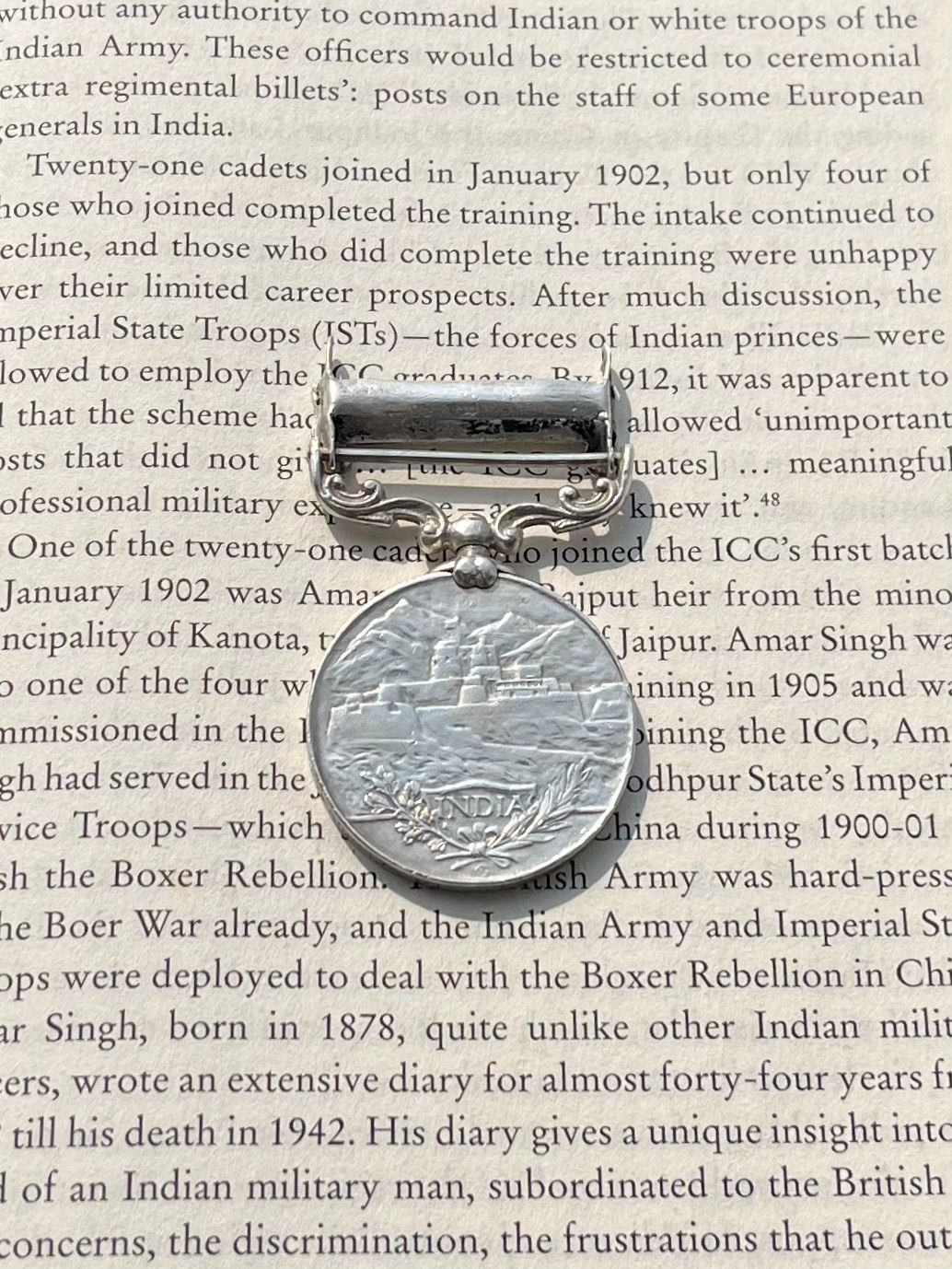
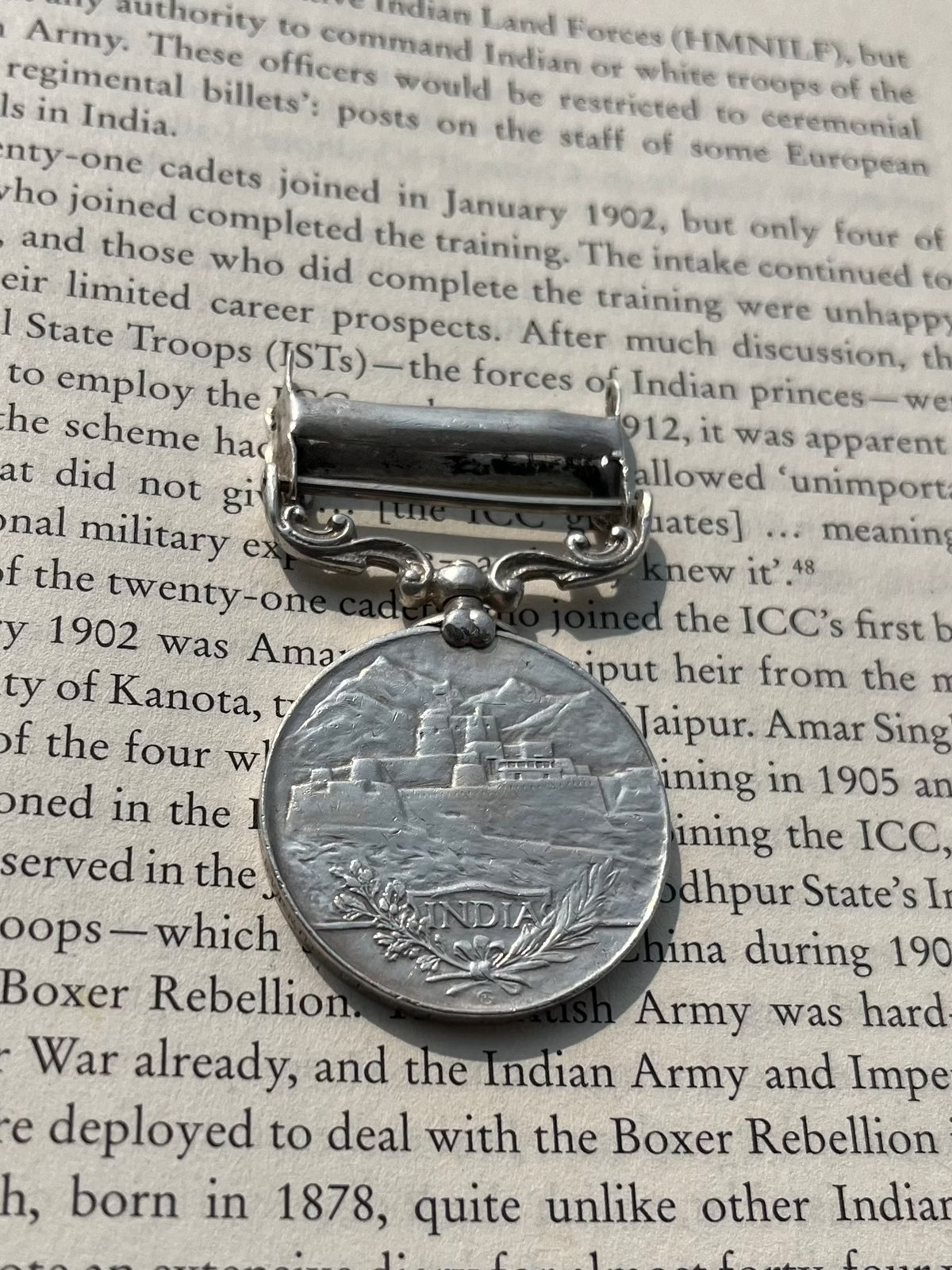
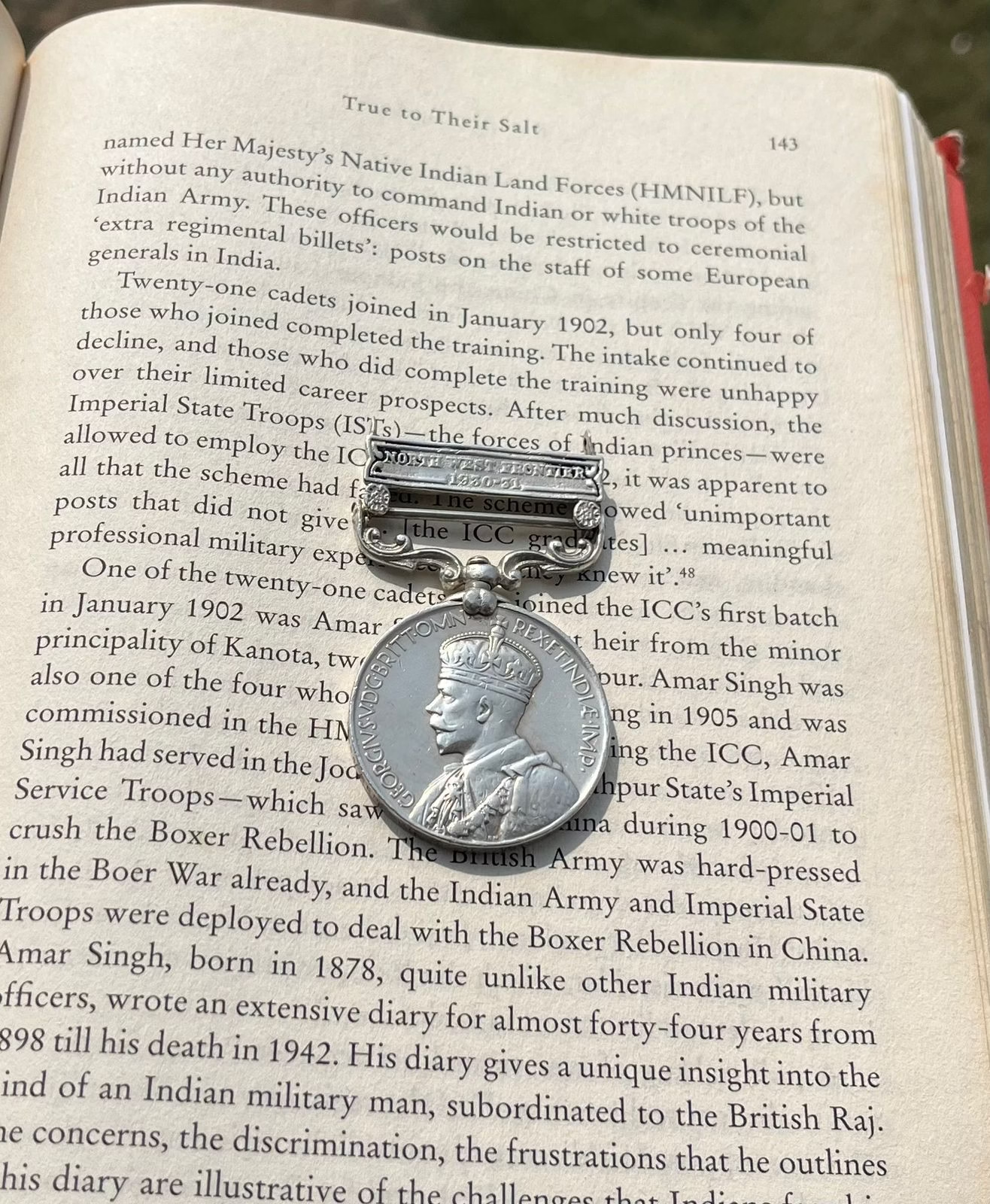
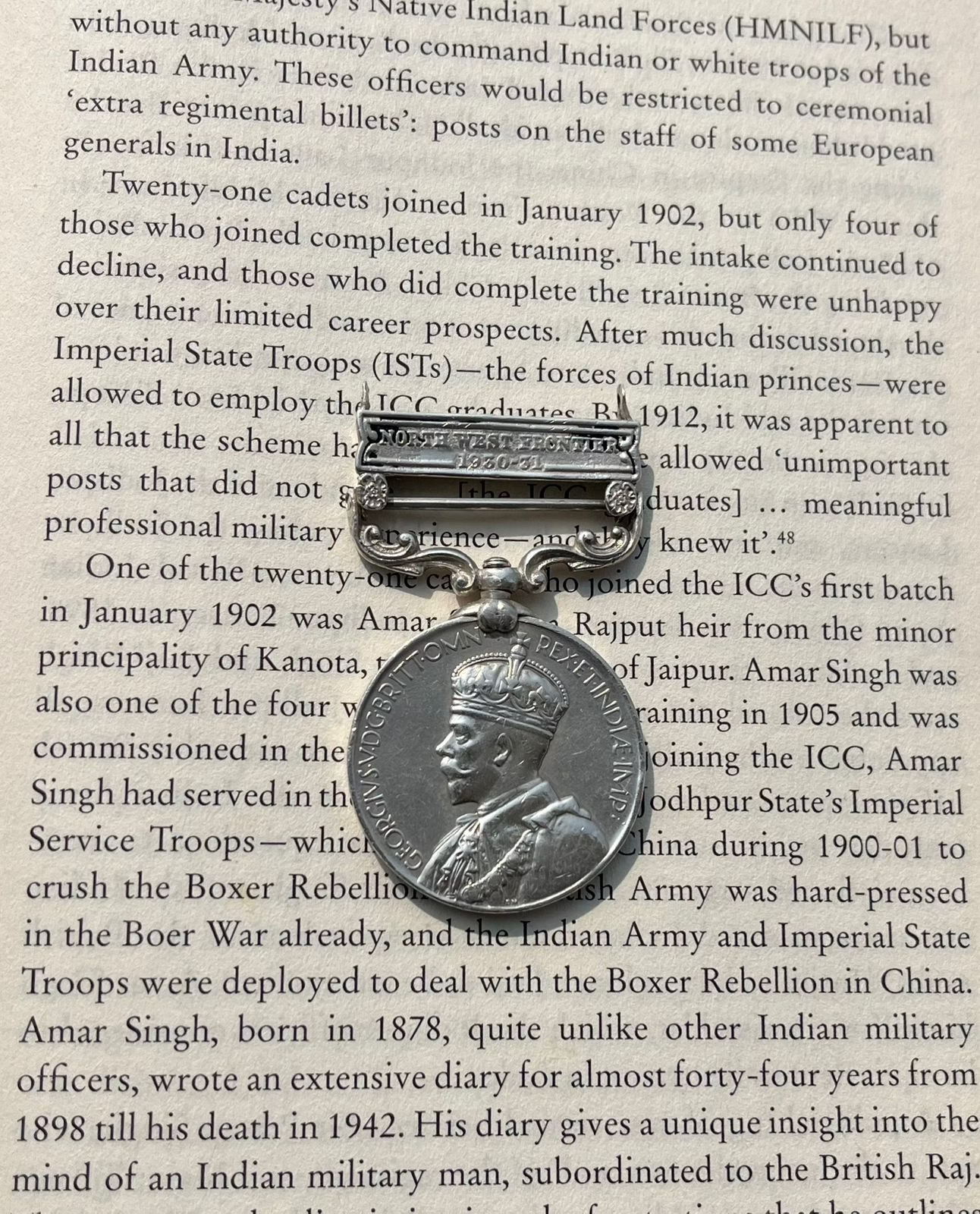
India General Service Medal 1908–1935) W/C North West Frontier 1930–31 named to 3-14 Punjab
₹19,000.00
The medal is 36 millimetres (1.4 in) in diameter. It was struck at both the Calcutta and London mints, for Indian and British forces respectively.[3] For the first two clasps the medal & clasp was awarded in silver to combatants and in bronze to native bearers and servants. From 1919 onwards all awards were in silver.[1]
The obverse shows the reigning monarch facing left with a suitable inscription. There are three versions
1) King Edward VII 1908–10
EDWARDVS VII KAISAR-I-HIND
2) King George V 1911–25
GEORGIVS V KAISAR-I-HIND
3) King George V 1930–35
GEORGIVS V DG BRITT OMN REX ET INDIAE IMP
The reverse depicts Jamrud Fort at the Khyber Pass with the word ‘India’ below between a wreath of oak and olive branches.[4]
The ribbon, 1.25 inches (32 mm) wide, was green with a broad blue central stripe. From 1920, those mentioned in despatches in a campaign for which the medal was awarded could wear a bronze oakleaf on the medal ribbon.[1]
The name and details of the recipient originally were engraved on the edge of the medal however from 1919 onwards it was impressed.
Related products
-
British Era
UNAMED ORIGINAL WW2 BURMA STAR WITH RIBBION
Original price was: ₹3,860.00.₹2,000.00Current price is: ₹2,000.00. Add to cart -
British Era
GSM S E ASIA W/C S E ASIA NAMED AND ORIGINAL WW2 WITH RIBBION
Original price was: ₹24,000.00.₹11,000.00Current price is: ₹11,000.00. Add to cart -
British Era
WW2 ORIGINAL MILITARY MEDAL NAMED TO PUNJAB R
Original price was: ₹380,000.00.₹115,000.00Current price is: ₹115,000.00. Add to cart -
British Era
WAR MEDAL NAMED TO CAPT in SEA MER with original ribbion mounted WW2
Original price was: ₹1,800.00.₹1,500.00Current price is: ₹1,500.00. Add to cart
Reviews
There are no reviews yet.